
Caring for a dog
How to care for a pet dog
Last updated 15 November 2025
On this page
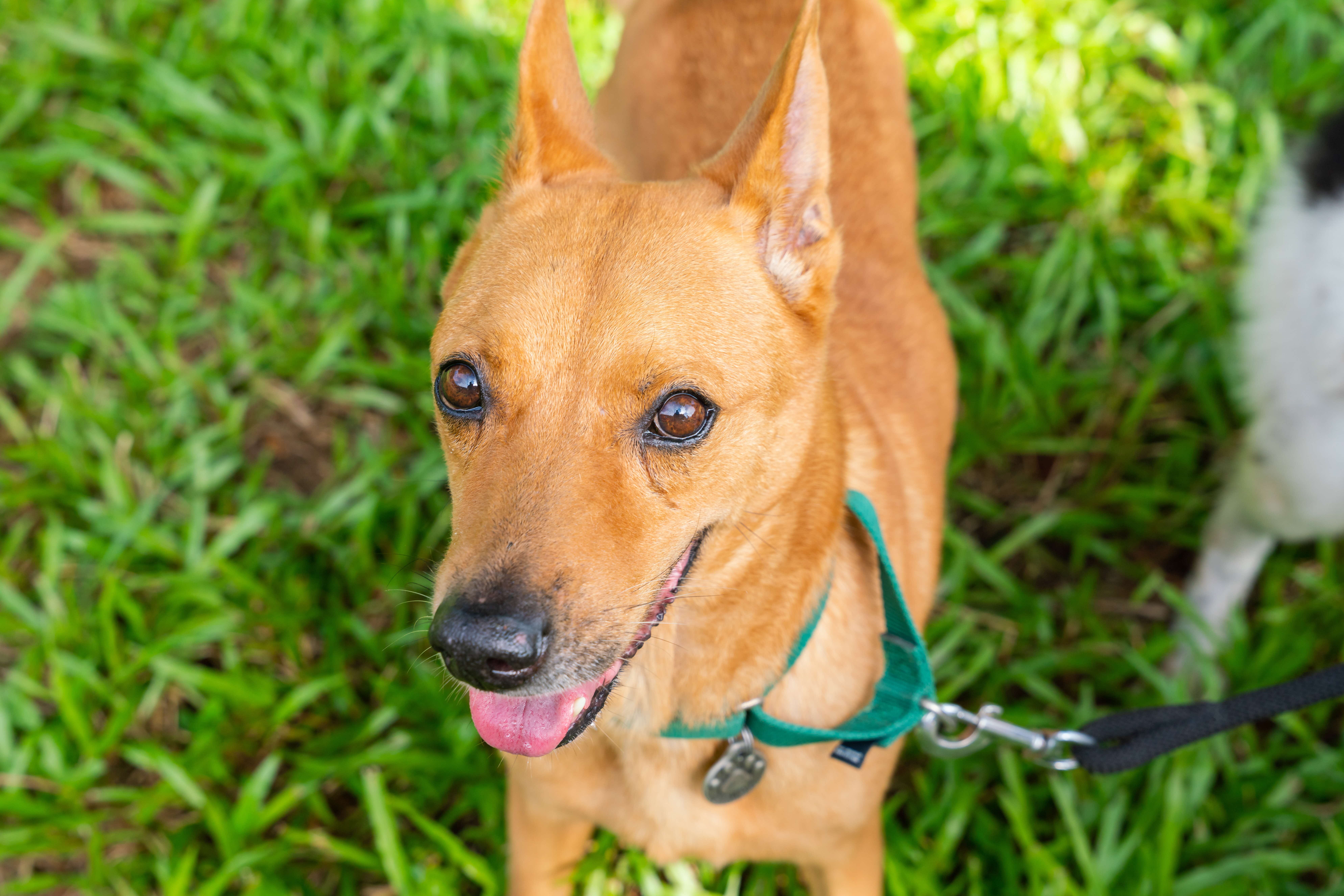
How does my dog's breed affect its needs?
Dogs have been bred for various purposes and it is important to understand your dogs’ needs based off their breed characteristics.
Some of the types of dog breeds are:
Herding dogs (e.g. Collies, Shepherds, Sheepdogs etc.)
Herding dogs are known for their high energy and intelligence levels. They require regular exercise and mental stimulation. Many herding dogs require more than daily walks to be satisfied, and a lack of stimulation can result in behavioural problems.
Sniffer/Detection dogs (e.g. Beagles, Retrievers, Hounds etc.)
Sniffer dogs have excellent sense of smell and thrive on activities that require them to use their nose.
Hunting dogs (e.g. Standard Poodles, Spaniels etc.)
Hunting dogs have high prey drive and are more likely to chase birds and cats while on walks. It is important to know your dog to prevent lunging and escape during walks.
Guard dogs (e.g. German Shepherds, Akitas, Doberman Pinschers etc.)
Guard dogs are known for their loyalty and protective instincts. However, this means that they can be territorial towards unfamiliar personnel. It is important to take note of this to prevent aggression towards strangers coming into their space.
Companion dogs (e.g. Mini Poodles, Pomeranians, Chihuahuas etc.)
Companion dogs have been bred to thrive on human companionship. They require more time with their owners and have higher tendencies to develop separation anxiety as compared to other dog breeds.
Singapore Specials
Singapore Specials are known to be timid and fearful. It is important for owners to carry out training and be aware of your dog’s body language, to minimise fear and prevent aggression in your dogs.
Brachycephalic (flat-faced) and Heat-Intolerant Dogs (e.g. Pugs, Bulldogs, Shih Tzus, Chow Chows, Siberian Huskies, Malamutes, etc.)
Flat-faced dogs have shortened snouts and compressed faces. Heat-intolerant dogs have thick double coats of fur - a long, coarse topcoat and a denser, fluffy undercoat. Owners of these types of dogs should familiarise themselves with breed-specific health issues, in order to ensure proper care and well-being of their dogs.
Together with the Singapore Veterinary Association (SVA), we urge prospective owners to carefully consider the health and welfare issues and potential medical costs associated with these breeds.
For more information, download the infographic on brachycephalic and heat-intolerant dogs.
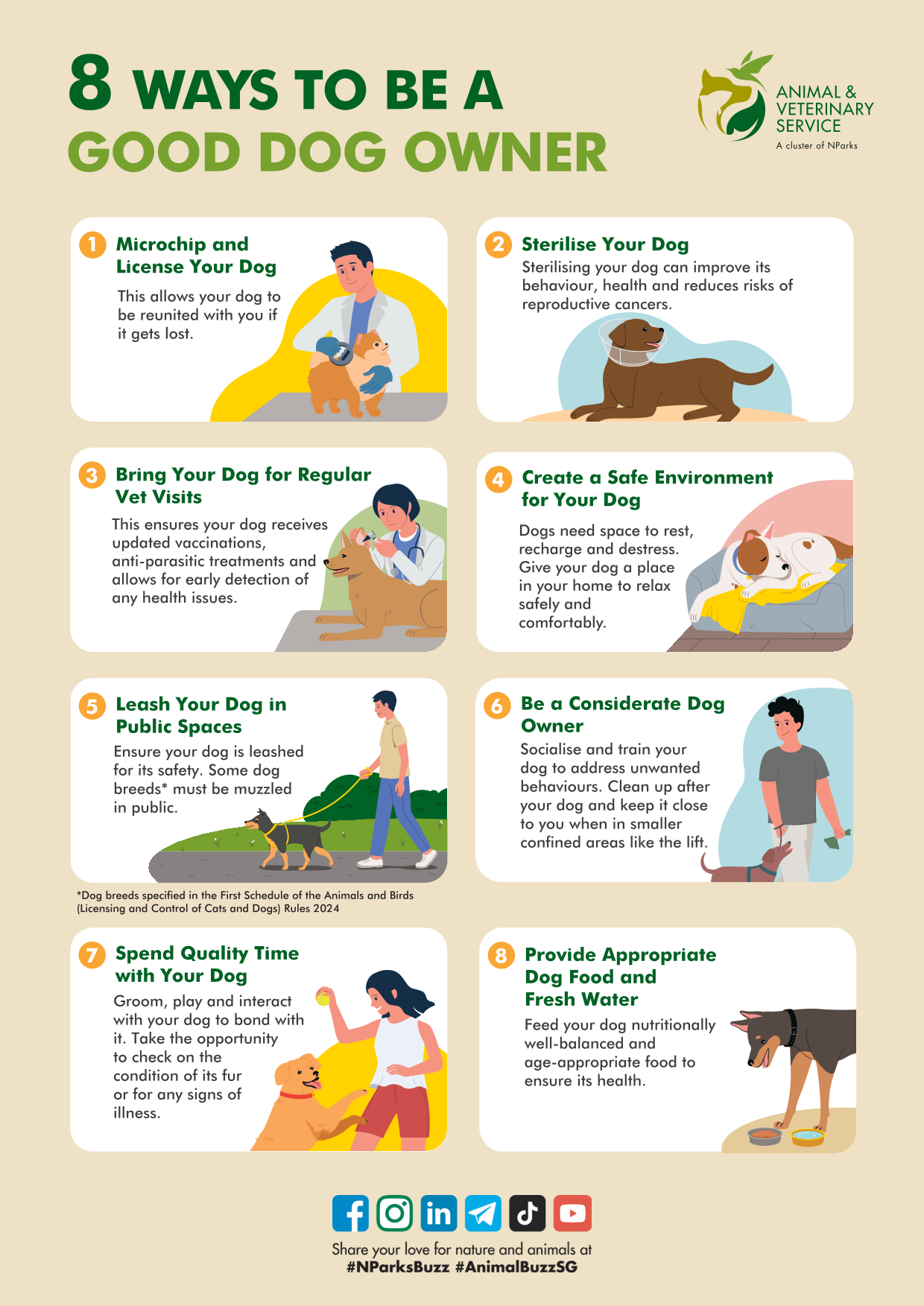
Download the infographic here:
Feeding a dog
Puppies, pregnant and nursing dogs require more calories than adult dogs, and the amount of calories your dog requires also decreases as they reach old age. Your dog’s Body Condition Score (BSC) is a good estimate of their weight. You may also check in regularly with your vets if you are unsure on what and how much food to feed.
Veterinary care for a dog
Bring your dog for annual veterinary checks and ensure that they are up-to-date with their vaccinations and preventatives.
Different breeds have different health predispositions to look out for. For instance, small toy dog breeds have higher chance of tracheal collapse, while larger deep-chested breeds have higher chances of Gastric Dilatation Volvulus (GDV), a life-threatening condition where their stomach twists and swells. It is important to know what health issues your dog might be predisposed to, so you can better prevent, treat and manage as they age.
If you suspect your dog is unwell, monitor its behaviour and appearance and seek veterinary assistance.
Enrichment for a dog
It is ideal to walk your dog twice a day, for at least an hour each. Even then, your dogs’ needs might not be met due to their breed characteristics. You can provide various types of enrichment within your household to further meet their needs, such as:
Training sessions
Scatter-feeding
Kibble in boxes
Agility courses
Snuffle mats
If you have multiple dogs at home, always provide ample resources to prevent resource guarding and aggression. Ensure that each dog has access to their own food and water bowls, dog beds, toys, chews and other resources.
Grooming a dog
You should groom your dog regularly to keep it clean.
Breeds with long or curly hair also require regular grooming sessions for fur maintenance. It is essential to comb their fur to prevent matting of their fur.