Caring for a terrapin
How to care for a terrapin
Last updated 15 November 2025
On this page
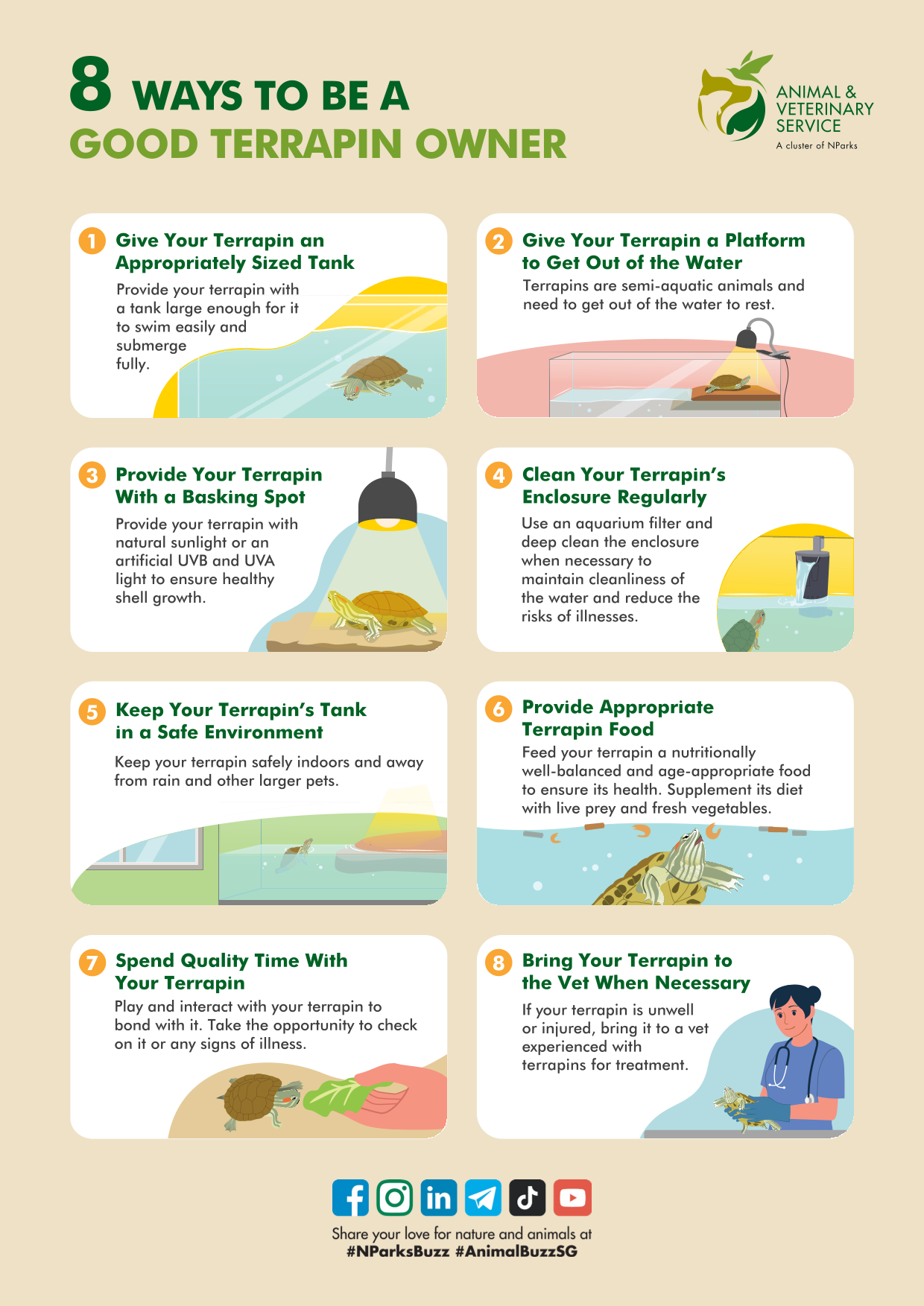
Download the infographic here:
8 Ways to be a Good Terrapin Owner
Feeding a terrapin
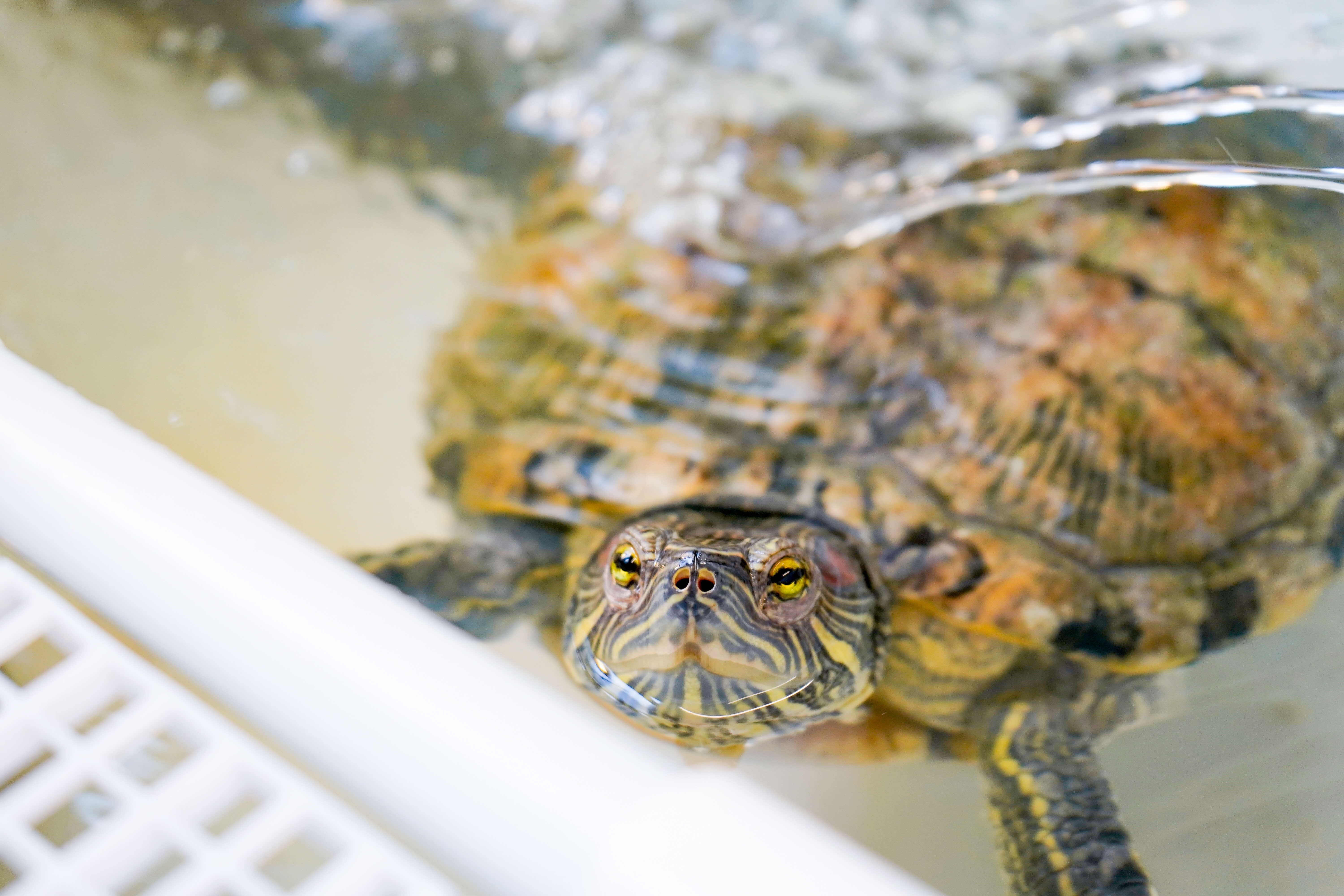
Feed a balanced diet of proteins, vegetables and occasionally fruits to your red-eared sliders (RES), also known as terrapins. Turtle pellets are formulated to be balanced but if you would like to supplement your terrapin’s diet, consider feeding a variety of:
Proteins: Mealworms, Crickets, Fish etc.
Vegetables: Kale, Green beans, Turnip, Duck weed etc.
Fruits: Berries, Apples, Melons etc.
Fruits that are high in sugar and should be fed in moderation as treats. A diet high in sugar can cause them to fall sick.
Do not feed citrus fruits (E.g. Oranges, Lemons, Grapefruits etc.) to your terrapins as they can cause stomach upset.
Calcium and Vitamin supplements
Terrapins require calcium for health shell growth. A diet lacking in calcium can lead to shell deformities which is irreversible and affects the welfare of the terrapins.
Healthcare for a terrapin
Like your other pets, terrapins are also susceptible to diseases and parasites like shell rot, ear infections and parasitic infections. Monitor your terrapin’s behaviour and seek medical support if you notice any of the below signs:
Loss of appetite
Abnormal swimming
Inactivity/Lethargy
Skin changes
Shell deformities
Indigestion
Breathing abnormalities
Eye problems
Shedding difficulties
Tank for a terrapin
Tank size: Ensure that the tank is large enough for your terrapin. The larger your terrapin, the larger your tank has to be. A young terrapin requires a 20-gallon tank and adults require even larger ones.
Tank location: The tank should also be placed on a sturdy surface, away from direct sunlight.
Water level: The tank water level should be deep enough for your terrapin to swim in. Provide an additional dry area for basking.
Set-up: The tank should have substrate, aquatic plants, hiding spaces, a filter, air-pumps and other necessary accessories. Set up a basking area that is easily accessible and equipped with UV-B light for your terrapin to bask in.
Cleaning: Conduct regular cleaning, water changes and parameters tests to ensure your tank water quality is appropriate. Uneaten food and excess waste from your terrapin can cause ammonia in the tank to spike, which compromises your terrapin’s welfare and can lead to deaths.
Compatibility with other species: Buying new tank mates? Remember that red-eared sliders see fishes as food. If you are looking to keep terrapins and fishes in the same tank, get larger, faster fishes such as koi and goldfishes. However, ensure that your tank is large enough to accommodate all members of the tank.
Introduction of new fishes: Quarantine all new fishes and terrapins before adding them into the tank, to prevent the spread of diseases. Avoid adding too many fishes to the tank at once so that the tank and its environment can slowly adapt.
Precautions when caring for a terrapin
Terrapins and other reptiles can carry Salmonella. It is a zoonotic disease that can be transferred to, and between humans. Always wash your hands after handling your terrapins.