
Preparing for a pet
See if you are ready to become a pet owner with these questions
Last updated 19 November 2025
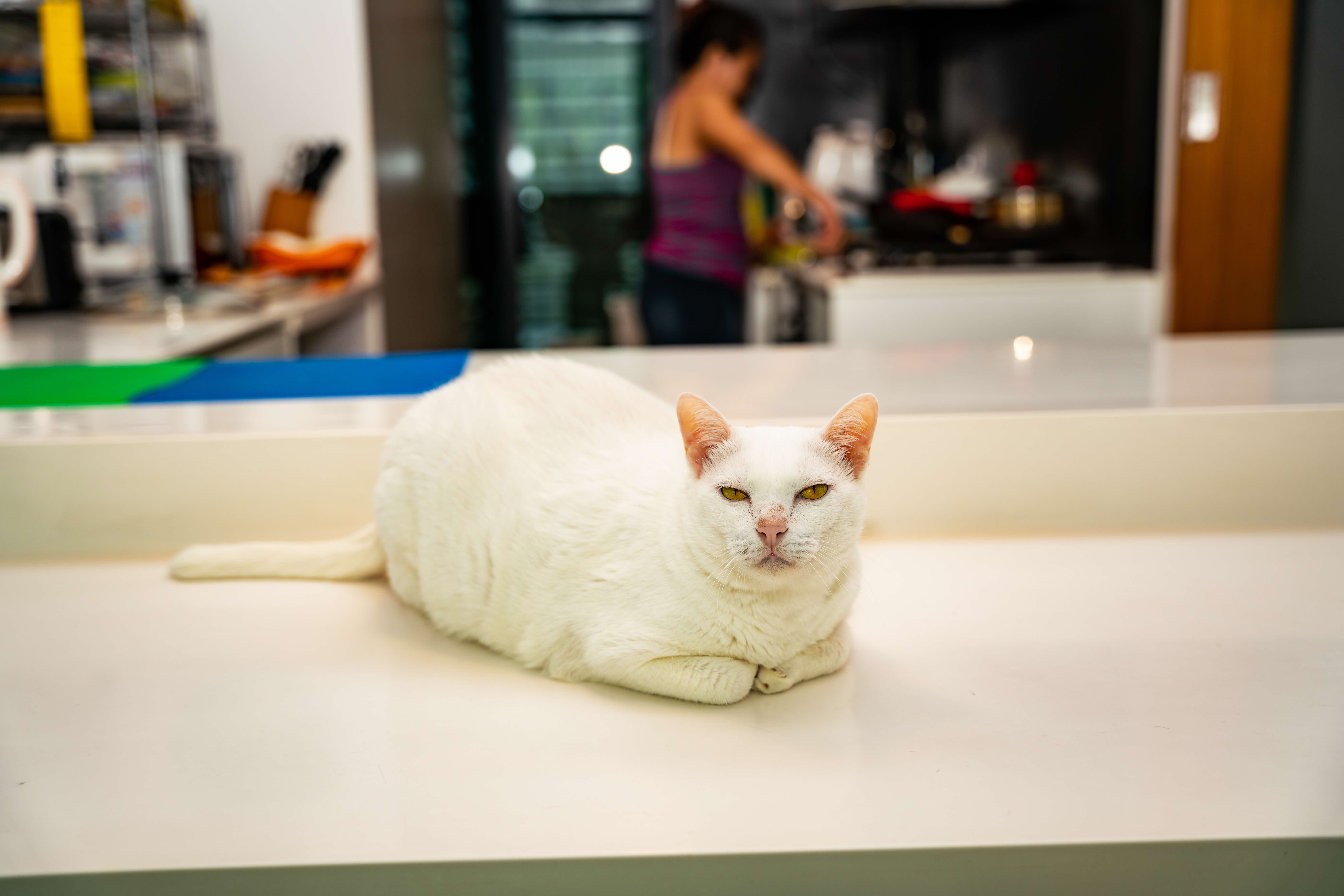
Are you ready to become a pet owner?
Before becoming a pet owner, it is best to consider some factors first.
Think about and answer the questions below to determine if you are ready to own a pet.
1. Does my family agree to having a pet?
Having a family’s support is very important in owning a pet. All family members should agree to own a pet before getting one. Having a pet without their knowledge or approval could lead to disagreement within the family, resulting in unhappiness and tension at home. This could even result in pet owners giving up their pets or worse, abandoning their pets.
You should also be considerate of any allergies or medical conditions such as asthma that your family members may have that could be triggered by pets.
2. Are we committed to looking after a pet for life?
Being a pet owner is a lifelong commitment. As a responsible pet owner, you must be prepared to provide appropriate care throughout the animals’ lifetime.
Find out the lifespan of the pet you want to get. Getting to know your potential pet’s lifespan will prepare you for the expected length of commitment.
Lifespan of common pets
Birds: 5 – 30 years
Cats: 18 years
Chinchillas: 15 years
Dogs: 18 years
Fish: Variable
Gerbils: 2 – 3 years
Guinea pigs: 8 years
Hamsters: 2 – 3 years
Mice: 2 years
Rabbits: 8 – 10 years
Terrapins: More than 20 years
3. Can we afford to pay for a pet’s veterinary bills, food, grooming, toys, and other accessories?
Caring for a pet can be expensive. There are many expenses that go into taking care of a pet, such as food, enclosures, toys, and other accessories. There are also necessary services that need to be paid for such as grooming and veterinary visits when you pet is sick or injured.
Ensure that you are prepared for the expenses that can be incurred when owning a pet, including setting aside a sum of money for emergencies. Unprepared owners may become more likely to abandon or give up their pet, which is distressing for the owner and pets alike.
In addition, owners have to obey licensing laws, which may require sterilising their pets and applying for a pet license, both of which cost money.
4. Do we have enough time to care for a pet?
It is important to choose a pet that best fits your lifestyle. Pets have different characteristics and require different levels of care.
Dogs, for example, require ample time and attention from their owners for exercise and training. Ensure that you have enough time in your daily life to care for your pet adequately.
5. Do we have enough space at home for a pet?
Pets also require living space within your homes. Make sure you are able to give an appropriate amount of space for your pet.
For example, small mammals, despite their size, require a large amount of space for their cage or enclosure.
6. Have we researched how to care for a pet properly?
You should never get a pet on impulse as a pet is lifelong commitment. Before making your choice, you should do your research on your intended pet’s characteristics and how to care for it.
All pets have different needs. Find out as much as you can about the pet you intend to get – such as the type of housing, environment, food, exercise, and grooming it needs – before getting one. This will go a long way towards ensuring that your pet is healthy and happy.
It is also important that you learn more about the potential inconveniences that may arise from keeping the pet you want. For example, dogs with thick coats, such as the Siberian Husky or Alaskan Malamute, have to be brought for regular grooming to ensure that the dog’s coat have to be does not get tangled. Groomers will also strip the dog’s coat to make it feel cooler. Long-haired or wire-haired pets also needs regular grooming, such as having their coats trimmed. Herbivores, such as rabbits and guinea pigs, need their cages cleaned every day. If the animal comes from a temperate climate, Singapore's warm weather might not be suitable for it. A cool environment needs to be provided at all times and may entail having the air-conditioner or fan on frequently.
In addition, responsible pet owners must be considerate to others ensure their pets do not disturb other people such as their neighbours. To maintain the environment’s cleanliness, they should also clean up after their pets in public places.
If you answer “No” to any of the questions above, do reconsider getting a pet.
You must be prepared to invest time, money, and care in order to have a healthy pet and enjoy the fulfilment that comes with pet ownership.
The lack of knowledge is a reason for some pet owners’ irresponsible behaviour, such as abandoning the pet when reality sets in and issues such as family objections, and time and financial constraints arise.
If you are unable to provide for the pet adequately, think twice about getting one!