Civets in Singapore
About civets in Singapore and what to do when you encounter them
Last updated 31 October 2025
What are civet cats?
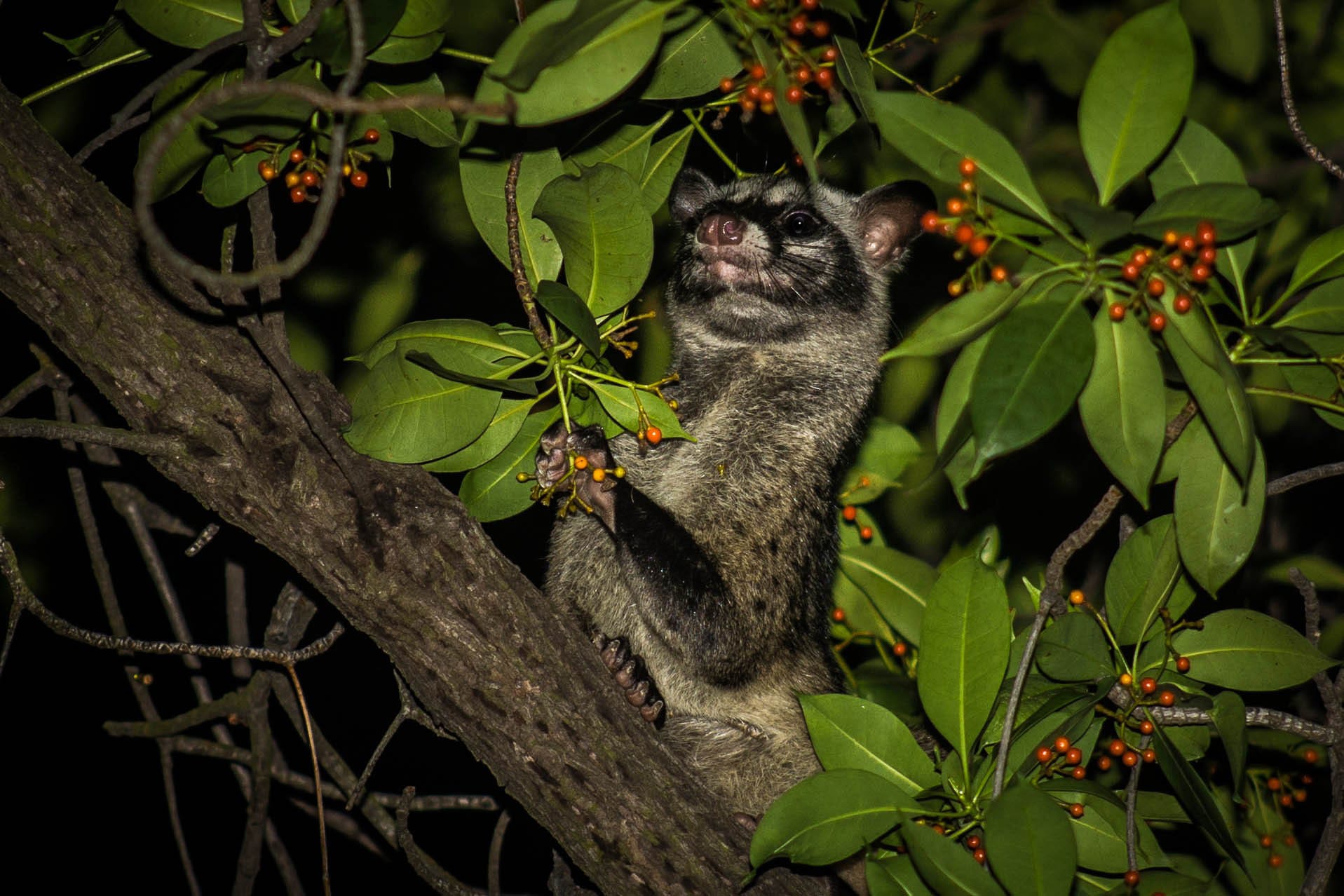
Though they are commonly called civet cats, civets are not cats. In fact, they are more closely related to mongooses than they are to cats. In Singapore, the Common Palm Civet (Paradoxurus hermaphroditus) is one of the species of civet that can be seen. Civets are commonly known as ‘Musang’ in the Malay Language.
It has a long sleek body with short limbs and a long tail, a long muzzle and small ears. The body is dark greyish brown with three dark stripes along the back and black spots on the sides. They are also identified by the black 'mask' across the face.
Distribution & Habitat
Civets are usually found living in the forests, parks, mangroves and even roof spaces of buildings in urban areas.
Behaviour
Civets are nocturnal by nature and like to stay in trees and high places.
In Singapore, they frequently eat the fruits of the Fishtail Palm and seed pods of the Rain Tree. Being omnivorous, they also like fruits such as mangoes, bananas and chikus and will eat small snakes, small birds, insects and rats.
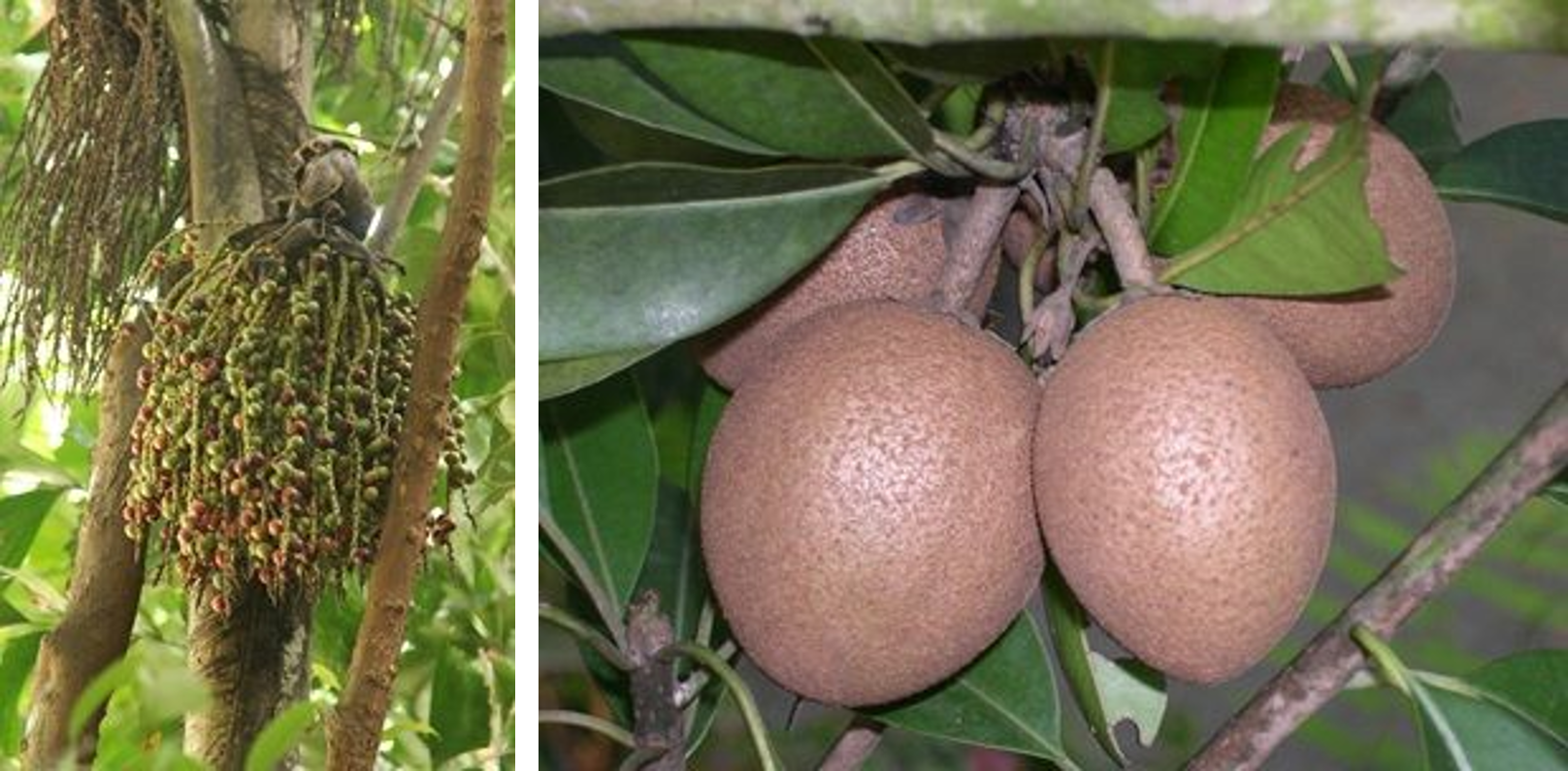
Fishtail Palm and Chiku
Important Ecological Role(s)
The common palm civet promotes seed dispersal by swallowing seeds whole while eating fruits and then defecating them, helping to maintain and improve the health of Singapore’s forests. It also serves as a form of biological pest control by feeding on rats and pest insects, thereby suppressing their populations.
Did you know?
Coffee beans that have been eaten by civets and passed through their digestive system are highly valued in some neighbouring countries in Southeast Asia. This coffee goes by various names, including kopi luwak in Indonesia, kape alamid in the Philippines and weasel coffee in Vietnam. It is some of the most expensive coffee in the world, but can come at a cost to civets which are often poached from the wild and kept in inhumane conditions to produce the beans.
What should I do when I encounter a civet?
If you come across civets that are injured, distressed or trapped, call our Animal Response Centre at 1800-476-1600 and we will send professionals who are trained in handling and caring for wildlife to assist you.
Please avoid handling the civet yourself as this may cause further stress or injury to the animal. The civet may also bite in self-defence.
Do not touch, chase, or corner the civet.
Like most wild animals, civets are shy and will stay out of sight. Leave it alone, especially if it is in its natural habitat. Civets may attack in self-defence. Keep a safe distance away from the animal and observe it from afar.
If you have been bitten or attacked by a civet, seek medical attention immediately.
What should I do if I am affected by civets?
Frequent entry to the property:
Civets may eat leftover food, including pet food, that is left out in the open. Ensure that cat or dog food is kept indoors. Keep all food in cupboards or closed containers. If you have fruiting trees on your property, harvest the fruits regularly or wrap the ripening fruit with cloth or mesh bags.
If you find baby civets in your property, leave them alone and do not attempt to pick them up. Doing so can prevent the mother from picking them up and the mother may end up abandoning them. If the mother is nearby, she will respond to their cries and attend to them.
If the civet happens to give birth in or on your property, leave it alone. The baby civets will start venturing out within two or three months after birth. After that, they will follow their mother to forage and will move out of your property eventually.
Frequent travelling on the roof:
As civets like to stay in high places, they may travel along roofs when moving from tree to tree. Prune the overhanging branches of nearby trees to restrict access to your roof.
Civets may sometimes nest in your roof space. To prevent this, seal off entrances to your roof or install metal collars around structures that civets may use to climb. You can also use a spotlight in your roof to discourage civets from nesting.
More information on exclusion and deterrent measures can be found in our Civet Exclusion Toolkit.
Download it here:
If you have further queries, please contact us through our online feedback form at https://www.avs.gov.sg/feedback.
Photos by Bryan Lim, Ang Wee Foong and NParks Flora and Fauna Web