Caring for a dog
About feeding, enrichment, veterinary care, and managing barking for dogs
Last updated 13 January 2026
On this page
How does my dog's breed affect its needs?
Dogs have been bred for various purposes and it is important to understand your dogs’ needs based off their breed characteristics.
Some of the types of dog breeds are:
Herding dogs (e.g. Collies, Shepherds, Sheepdogs etc.)
Herding dogs are known for their high energy and intelligence levels. They require regular exercise and mental stimulation. Many herding dogs require more than daily walks to be satisfied, and a lack of stimulation can result in behavioural problems.
Sniffer/Detection dogs (e.g. Beagles, Retrievers, Hounds etc.)
Sniffer dogs have excellent sense of smell and thrive on activities that require them to use their nose.
Hunting dogs (e.g. Standard Poodles, Spaniels etc.)
Hunting dogs have high prey drive and are more likely to chase birds and cats while on walks. It is important to know your dog to prevent lunging and escape during walks.
Guard dogs (e.g. German Shepherds, Akitas, Doberman Pinschers etc.)
Guard dogs are known for their loyalty and protective instincts. However, this means that they can be territorial towards unfamiliar personnel. It is important to take note of this to prevent aggression towards strangers coming into their space.
Companion dogs (e.g. Mini Poodles, Pomeranians, Chihuahuas etc.)
Companion dogs have been bred to thrive on human companionship. They require more time with their owners and have higher tendencies to develop separation anxiety as compared to other dog breeds.
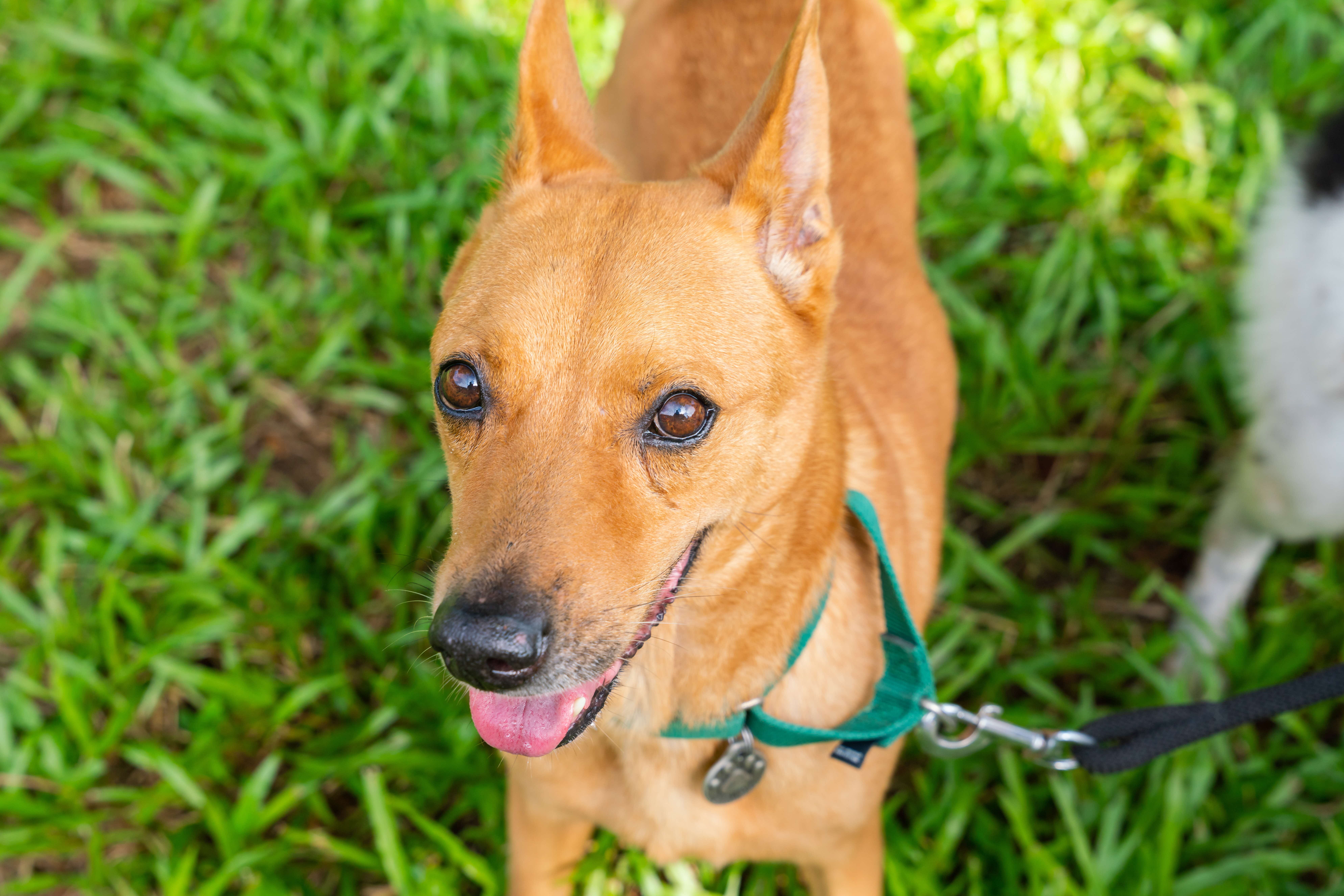
Singapore Specials
Singapore Specials are known to be timid and fearful. It is important for owners to carry out training and be aware of your dog’s body language, to minimise fear and prevent aggression in your dogs.
Brachycephalic (flat-faced) and Heat-Intolerant Dogs (e.g. Pugs, Bulldogs, Shih Tzus, Chow Chows, Siberian Huskies, Malamutes, etc.)
Flat-faced dogs have shortened snouts and compressed faces. Heat-intolerant dogs have thick double coats of fur - a long, coarse topcoat and a denser, fluffy undercoat. Owners of these types of dogs should familiarise themselves with breed-specific health issues, in order to ensure proper care and well-being of their dogs.
Together with the Singapore Veterinary Association (SVA), we urge prospective owners to carefully consider the health and welfare issues and potential medical costs associated with these breeds.
For more information, download the infographic on brachycephalic and heat-intolerant dogs [PDF, 2.2MB].
While the above is generally true, there may be exceptions. It is best to consult your veterinarian and behaviourist to better understand the needs of your dog.
Nutrition for a dog
Dogs are omnivores, which means they can eat both animals and plants.
Good nutrition is fundamental to your dog's health. Choose a complete and balanced diet appropriate for your dog's life stage — puppies, adults, and senior dogs all have different nutritional needs.
Commercial dog foods (kibble, wet food etc.) formulated to meet recognised nutritional standards (such as AAFCO or FEDIAF guidelines) provide complete and balanced nutrition with all essential nutrients in the correct proportions.
Fresh water should always be provided to your dog.
Home-prepared meals
Home-prepared meals carry significant risks of nutritional imbalance. Dogs require specific ratios of proteins, fats, carbohydrates, vitamins, and minerals. Without careful formulation by a veterinary nutritionist, home-cooked diets often lack essential nutrients like calcium or certain vitamins, leading to serious health problems if fed long-term. If you wish to prepare meals at home, consult a veterinary nutritionist to create a properly balanced recipe.
Raw food diets
Raw food diets carry additional risks. Raw meat can harbour harmful bacteria like Salmonella and E. coli, posing health risks to your dog and your family, especially children, elderly people, or those with compromised immune systems. Bones can cause tooth fractures, blockages, or intestinal perforations. If considering a raw diet, discuss the risks thoroughly with your vet and follow strict food safety protocols.
Enrichment for a dog
Enrichment means providing opportunities for your dog to engage their mind and body in ways that satisfy their natural instincts. A well-enriched dog is typically calmer, happier, and less likely to develop problem behaviours from boredom or frustration.
Physical and sensory enrichment: Most dogs need daily physical activity appropriate to their age, breed, and health — this might include walks, running, swimming, or play sessions. Exercise needs vary greatly, and quality matters as much as quantity. A stimulating walk where your dog can sniff and explore is often more satisfying than a longer but monotonous one. Let your dog sniff on walks — this is mentally enriching, deeply satisfying, and naturally calming. Provide different textures, safe items with interesting smells, and opportunities to observe the world.
Mental stimulation: Challenge your dog's brain through puzzle feeders, food-dispensing toys, training sessions, scent work, or novel experiences introduced gradually. Dogs are natural foragers, so try scatter feeding in the garden, hiding food around the house, using snuffle mats, or freezing food in ice blocks on hot days. Provide appropriate chew items like durable rubber toys or dental chews.
Social interaction: Provide positive interactions with family members and, if your dog enjoys it, playtime with compatible dogs or meeting friendly people. Not all dogs are social with other dogs, and that's perfectly fine. Respect your dog's preferences and never force interactions.
Keep things interesting by rotating toys, visiting different walking locations, and creating safe spaces where your dog can observe activity or retreat for quiet time. Balance activity with adequate rest: adult dogs sleep 12-14 hours per day, whilst puppies need even more. Overstimulation can be as problematic as boredom.
Every dog is different. Observe what your dog enjoys and adjust activities based on their age, health, and personality. Pay attention to your dog's body language to ensure enrichment activities are genuinely enjoyable. The goal is to enrich your dog's life, not overwhelm them.
Grooming a dog
Regular grooming keeps your dog comfortable, healthy, and allows you to check for health issues like lumps, skin problems, or parasites.
Coat care & brushing: Grooming needs vary by breed and coat type. Short-coated breeds need minimal brushing, whilst long-coated or double-coated breeds require regular brushing to prevent matting. Breeds with continuously growing hair need professional grooming every 6-8 weeks.
Bathing: Most dogs don't need frequent baths as bathing too often strips natural oils. Bathe when dirty or smelly, typically every few months. Use dog-specific shampoo and rinse thoroughly.
Nail care: Keep nails trimmed to a comfortable length. If you hear clicking on hard floors, they're too long. Overgrown nails cause pain and affect how your dog walks. If unsure how to trim safely, ask your vet to demonstrate.
Making grooming positive
Introduce grooming gradually using treats and praise. If your dog is anxious about grooming, work slowly and consider professional help from groomers who use positive, force-free methods.
Cooperative care
Rather than forcing or restraining your dog during grooming, you can teach them to participate willingly. This makes grooming less stressful for both of you.
Start by teaching your dog that they can move away if uncomfortable. This might seem odd, but when dogs know they have a choice, they're often more willing to cooperate. Use a "start button" behaviour where your dog signals they're ready (such as placing their chin on your hand or a mat). If they move away, stop what you're doing and let them return when ready.
Break grooming into small, manageable steps and reward your dog with treats for staying calm. For example, when trimming nails, first reward your dog just for letting you touch their paw. Then reward them for letting you hold the clippers near their paw. Then reward for one nail being trimmed. Build up gradually. This takes patience but creates a dog who's happy to be groomed rather than one who needs to be held down.
For more guidance, you can seek help from a professional dog trainer.
Veterinary care for a dog
Preventative healthcare is the foundation of keeping your dog well. Regular veterinary care helps catch problems early and prevents many health issues before they develop.
Bring your dog for annual veterinary checks and ensure that they are up to date with their vaccinations and preventatives.
Schedule routine health examinations even when your dog seems well. These checkups allow your vet to detect problems early, often before you notice any symptoms.
Dental care is important. Dental disease doesn't just affect your dog's mouth—it can damage their heart, liver, and kidneys. Brush your dog's teeth regularly if possible, provide dental chews, and have your vet check their teeth at routine appointments.
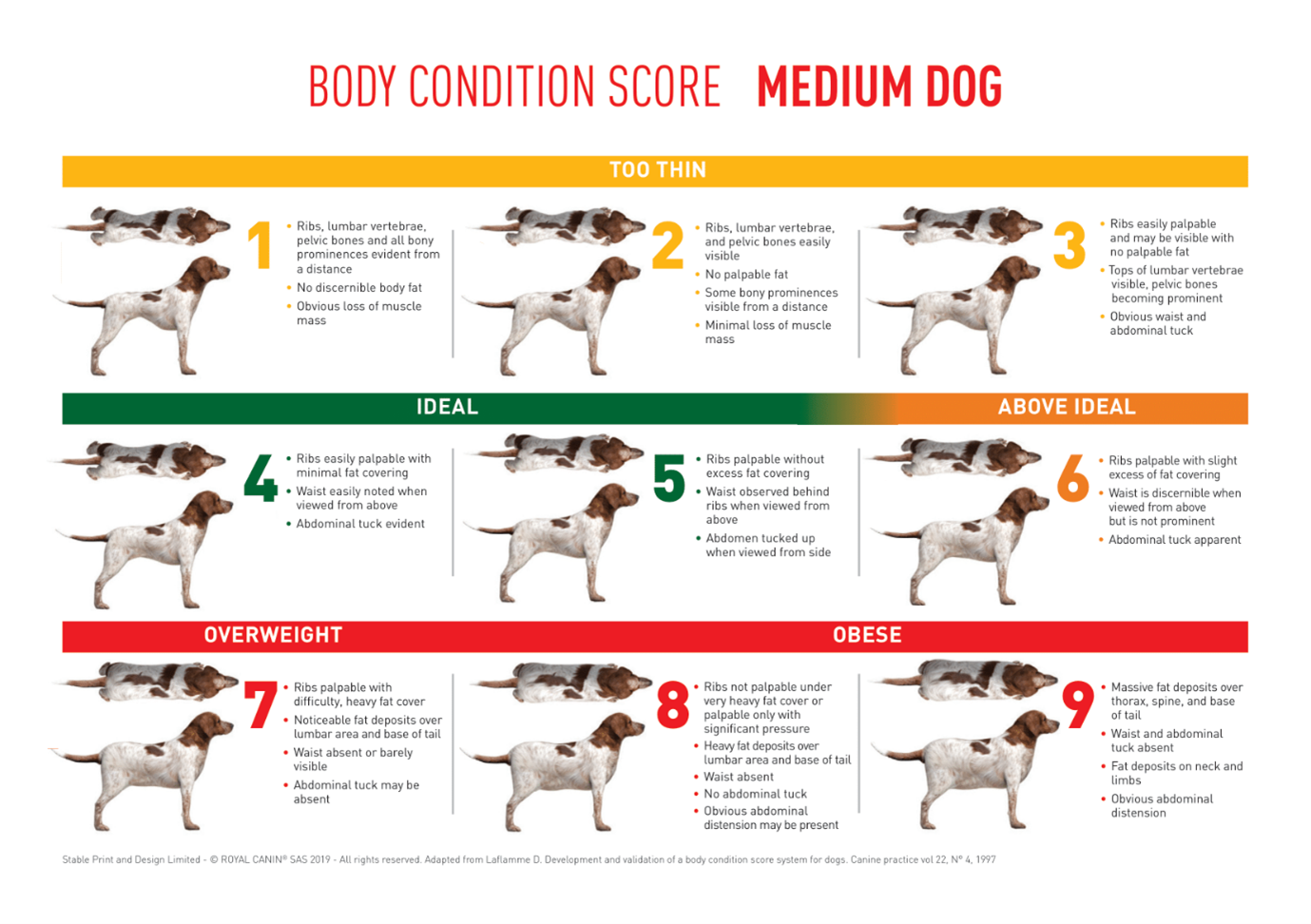
Keep your dog at a healthy weight through proper diet and exercise. Obesity leads to numerous health problems including joint disease, heart problems, and diabetes.
Different breeds are predisposed to certain health conditions. Being aware of your dog's breed-related risks helps you monitor for early signs and take preventative measures where possible. For instance, larger breeds like German Shepherds and Retrievers have higher chances of hip and elbow dysplasia, while larger deep-chested breeds have higher chances of Gastric Dilatation Volvulus (GDV), a life-threatening condition where their stomach twists and swells.
Seek veterinary attention promptly if your dog shows signs of illness such as vomiting, diarrhoea, changes in appetite, lethargy, breathing difficulties, or sudden behaviour changes. These could indicate medical problems requiring immediate care.
Managing a dog's barking
Dogs bark to communicate. However, excessive barking creates nuisance, stress, and anxiety within the community. It is important to understand the cause of excessive barking so it can be resolved appropriately.
Dogs may bark due to several reasons:
Fear or reactivity to strangers and noise
Dogs that are fearful of strangers or reactive to noise may bark excessively at people walking past their home and this behaviour often gets reinforced over time.
To manage it:
Bring the dog to a room further away from the trigger and engage the dog in a more desirable activity such as eating a chew or playing with a toy.
Use visual barriers (e.g. close doors, screens, frosted windows).
Mask external noise (e.g. close windows and doors, play TV/radio at a low volume or white noise music).
Attention-seeking
Dogs may bark to get attention from their owners. This could occur even if the owners respond by saying "No" or "Stop", which may unintentionally reinforce the barking behaviour.
To manage it:
Reward your dog when it is quiet, with treats or your attention.
Ensure your dog's behavioural needs are met by providing adequate enrichment and mental stimulation.
Separation anxiety
Dogs may become anxious when left alone and may bark, pace, cause destruction or eliminate in inappropriate places. Separation anxiety is a serious condition that compromises the dog's welfare and affects surrounding neighbours.
To manage it:
Seek professional help from vets and ACDT trainers to manage separation anxiety appropriately.
You may also reach out to certified professionals under the AVS-Accredited Certified Dog Trainers (ACDT) Scheme to manage your dog's barking.