
Caring for a mouse
About feeding, housing, enrichment, and veterinary care for mice
Last updated 13 January 2026
On this page
Nutrition for a mouse
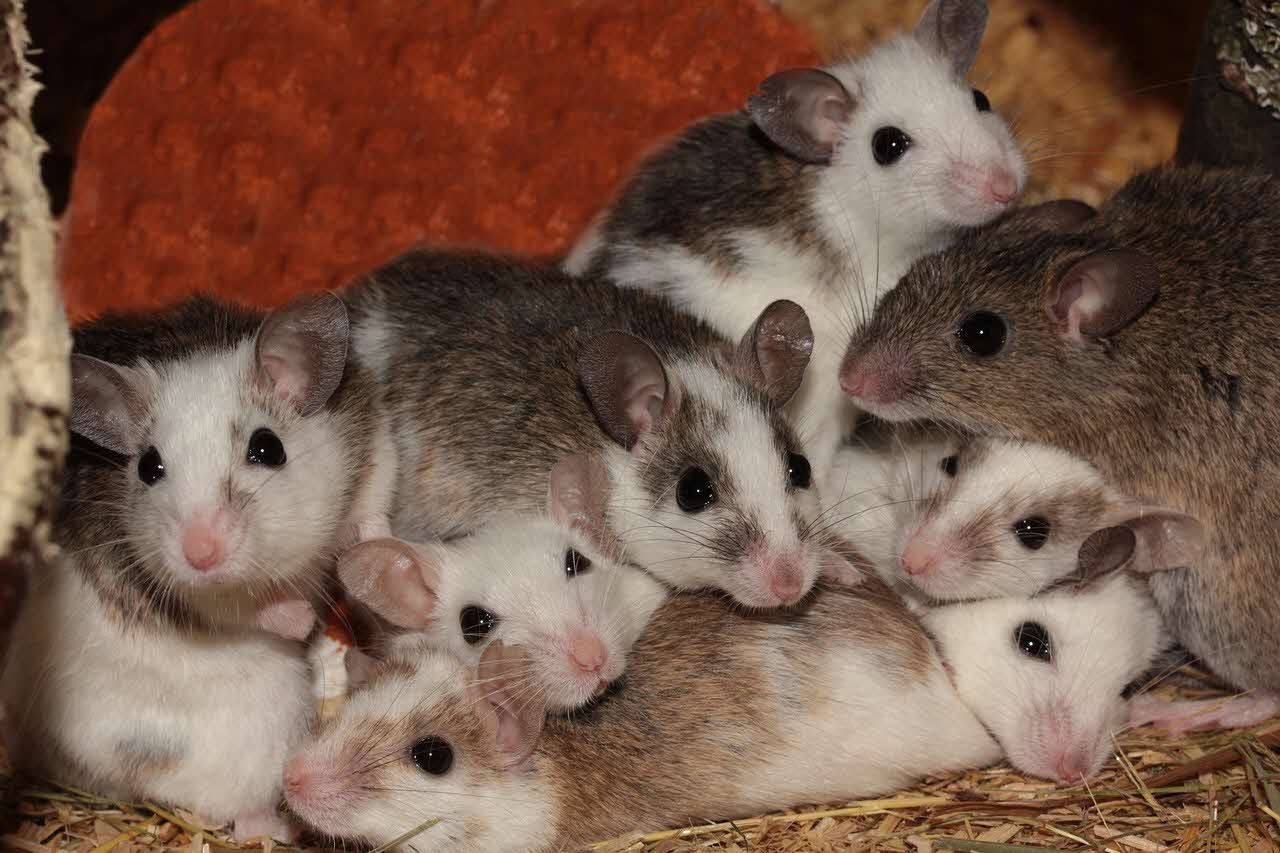
Mice are omnivores. Provide fresh clean water daily, and feed appropriate diets.
Feed mostly pellets for rodents, which are formulated to meet their nutritional needs.
Supplement with seeds, grass, grain and occasionally insects.
Some fresh vegetables and fruits as treats.
Enclosure for a mouse
Their enclosures should reflect their natural behaviour as closely as possible, and provide them opportunities to do so.
Cage
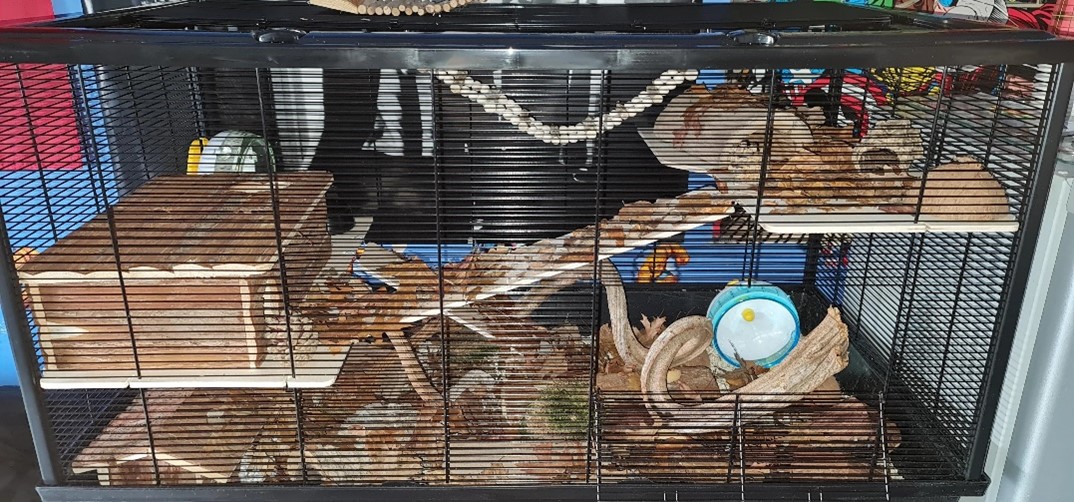
Provide enough vertical space for them to climb around.
Provide adequate hiding spaces, nesting boxes and comfortable, paper-based bedding.
Accessories
Provide adequate hiding spaces and comfortable, paper-based bedding.
Compatibility with other animals
Mice are social animals and should ideally be housed together with others of the same sex.
Environment
Provide a sturdy, solid flooring to prevent bumblefoot.
Enrichment for a mouse
Provide plenty of opportunities for your mice to exhibit their normal behaviours such as burrowing, foraging, nesting, climbing and chewing/gnawing.
Veterinary care for a mouse
Bring your mice to the vet for regular health checks.
Seek medical help if you observe any signs of illness in your mice, such as:
Lethargy
Inappetence
Abnormal breathing
Abnormal or no faecal droppings and/or urine
Bloated abdomen
Head tilt/shaking
Lameness
Overgrown teeth and nails