Caring for pet poultry
About feeding, housing, enrichment, and veterinary care for pet poultry
Last updated 23 September 2026
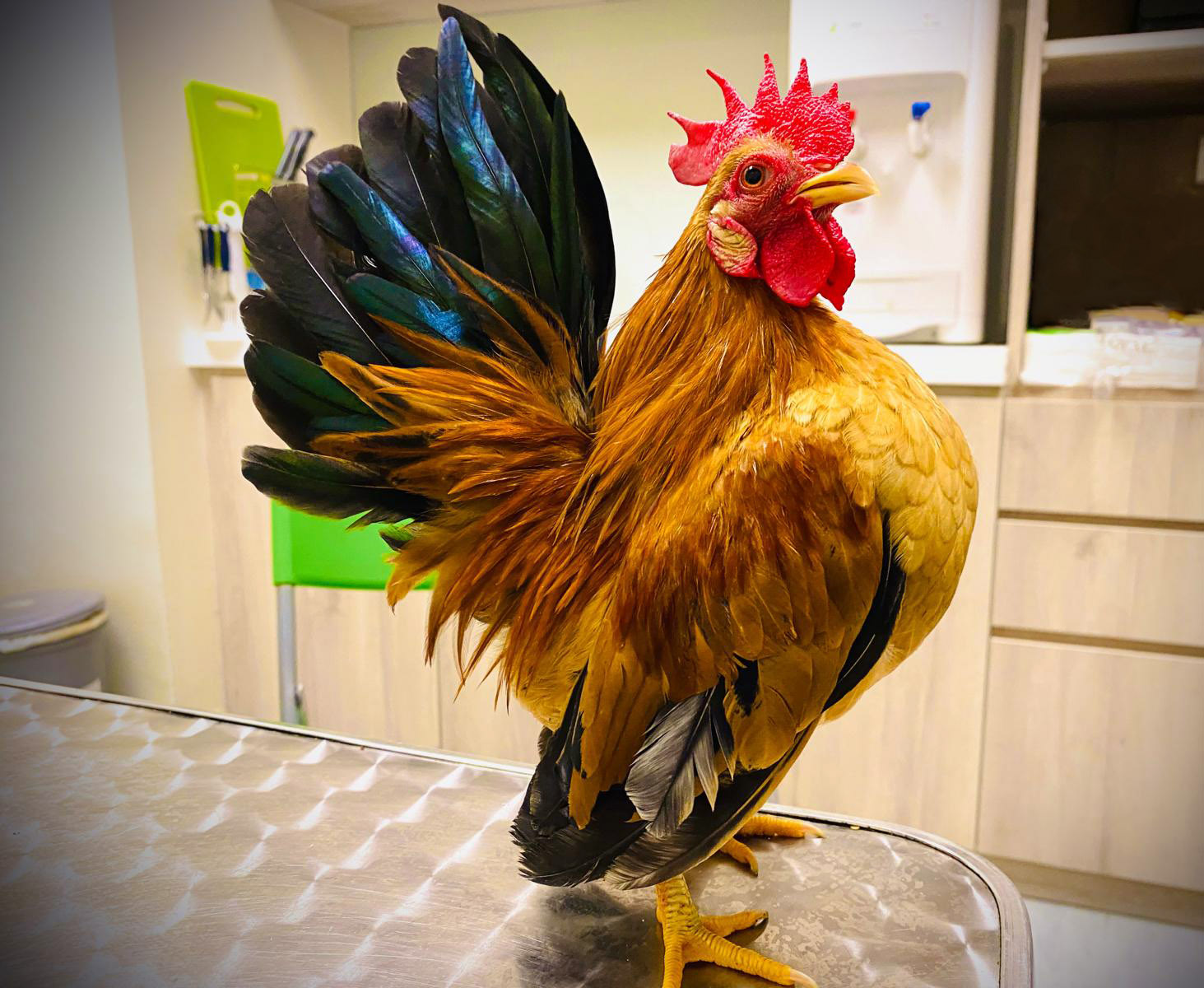
Keeping poultry as pets
As a pet poultry owner, it is important to be aware of the responsibilities and regulations that come with keeping poultry as pets. The term “poultry” covers a wide range of bird species, including chickens, ducks, turkeys, geese, quails, partridges, pheasants, guinea fowls, swans and peacocks.
Being a pet owner is a lifelong commitment, and owners must be responsible and provide appropriate care for their animals. Here are the approximate lifespans of these pet poultry:
Chicken: 10 to 15 years
Duck: 10 to 15 years
Quail: 2 to 5 years
Before you get a pet poultry, you need to be aware of how long they may live. If you are unable to care for your pets, it is your responsibility to find a suitable home for them or approach an animal group for rehoming assistance. If you are caught abandoning your pet, you will be charged under the Animals and Birds Act, and may be fined up to $10,000, jailed up to 12 months, or both.
Keeping of pet poultry in private premises
A maximum of 10 pet poultry can be kept in private premises . This covers all poultry species and includes adults and juveniles kept on the premises. This is to mitigate the risk of spread of avian disease, such as bird flu, and to safeguard human and animal health.
If you own or operate an outdoor commercial recreational premises (including gardens, parks, golf courses, and/or resorts), and keep more than 10 pet poultry on-site, you are required to:
Obtain approval (opens in new tab) from the Director-General, Animal Health and Welfare before doing so; and
Vaccinate all poultry kept on the premises if directed to do so by the Director-General.
Failure to comply under the Animals and Birds Act (Prevention of Avian Disease in Non-commercial Poultry) Rules 2006 may result in a fine of up to $10,000, an imprisonment term of up to 12 months, or both.
Nutrition for pet poultry
Provide your pet poultry with a balanced diet of species- and age-appropriate commercial feed, supplemented with leafy greens, vegetables, grains and protein sources. Fresh water should always be available and replenished daily.
Enclosure for pet poultry
Keep your pet poultry in a safe and secure coop to prevent contact with wild animals and to keep your pets safely contained. The coop should have a flat base to prevent bumblefoot, a condition resulting from infection and/or inflammation of the foot. Each pet poultry should have sufficient room to stand upright and move around comfortably without their tail or outstretched wings touching the sides. The coop should also provide sufficient space for your poultry to exercise and display their natural behaviours. Where appropriate, you may provide access to a secure and enclosed exercise area. Males and females should be kept separately to prevent breeding.
If the coop is kept outdoors, you need to install proper roofing and shelter to protect your pet poultry from adverse weather conditions such as heavy rain and strong winds.
Dust baths and water baths
Ground-dwelling poultry such as chickens, turkeys, quails, and guinea fowl must have regular access to a dust bath. This is a natural behaviour that helps control external parasites and keeps their feathers clean and healthy.
For waterfowl such as ducks and geese, provide a container with sufficient water depth and space for them to submerge their bills, clean their eyes and nostrils, and maintain their feathers.
Hygiene and cleanliness of your poultry housing
Maintaining a clean coop is essential for the health and well-being of your poultry, your family, and your neighbours. Dirty housing can produce unpleasant odours, increase the risk of illness for both humans and pets, and attract unwanted pests such as rats and flies.
To keep your pet poultry's living environment clean and healthy:
Remove uneaten food, stale water, and soiled bedding at the end of each day. Periodically deep clean the coop with a suitable disinfectant.
Replace bedding materials such as wood chips or sawdust regularly to maintain a dry and hygienic environment.
Do not use raw poultry droppings as fertiliser in your garden, as they produce strong odours and may harbour bacteria that pose a health risk to you and your family.
Always wash your hands thoroughly with soap and water after handling your poultry or anything in their environment.
Enrichment for pet poultry
Enrichment is essential for your pet poultry's well-being. It helps reduce boredom, prevent feather pecking, and encourage natural behaviours such as foraging and scratching. Provide a variety of toys and enrichment items, such as:
Food-based and foraging toys, such as hanging cabbage or lettuce, and treat dispenser balls to encourage natural foraging behaviour.
Physical and environmental enrichment, such as perches and ladders to encourage movement and exploration.
Veterinary care for pet poultry
It is recommended to bring your pet poultry for annual veterinary check-ups to monitor their health. Please also bring them to the veterinarian for a check if you have any concerns about the well-being of your pet poultry. Early detection of health issues can make a significant difference in treatment outcomes.
If you suspect your pet poultry is unwell, keep a close eye on your pet’s behaviour and appearance, as changes can be early signs of illness. Some symptoms of poor health include:
No/poor appetite
Inactivity or lethargy
Diarrhoea
Changes in their droppings
Feather plucking
Unusual puffing of feathers
Nasal discharge
Open beak breathing
If your poultry shows any of the above signs or passes away, isolate the affected pet poultry from the rest of the flock and consult a veterinarian promptly. For health and safety reason, put on gloves before handling your deceased pet poultry. Using 2 layers of thick plastic bag, place the carcass in and seal the bag tightly with cable tie/heavy tape. Dispose the bag together with your garbage. You also need to thoroughly disinfect the coop to prevent the spread of disease. More information can be found on our web page on bird flu.
Managing poultry-related noise
Roosters (male chickens) are known to crow frequently, which can disturb your neighbours. Here are some practical steps to help maintain neighbourhood harmony and contribute to better poultry welfare and management:
Cover the enclosure at night and in the early morning using a dark, breathable cloth. As light triggers crowing, keeping the coop as dark as possible can help reduce early morning crowing.
Provide daytime enrichment to help delay crowing. You can offer corn cobs or vegetables for your rooster to peck at, or bury food pieces in the ground to encourage natural foraging behaviour.
Limit the number of roosters you keep. If you live in a residential area with close neighbours, consider keeping only one rooster, as multiple roosters tend to crow competitively and more frequently. In densely populated areas, it may be more considerate to keep hens only.
Resources
Coming soon!